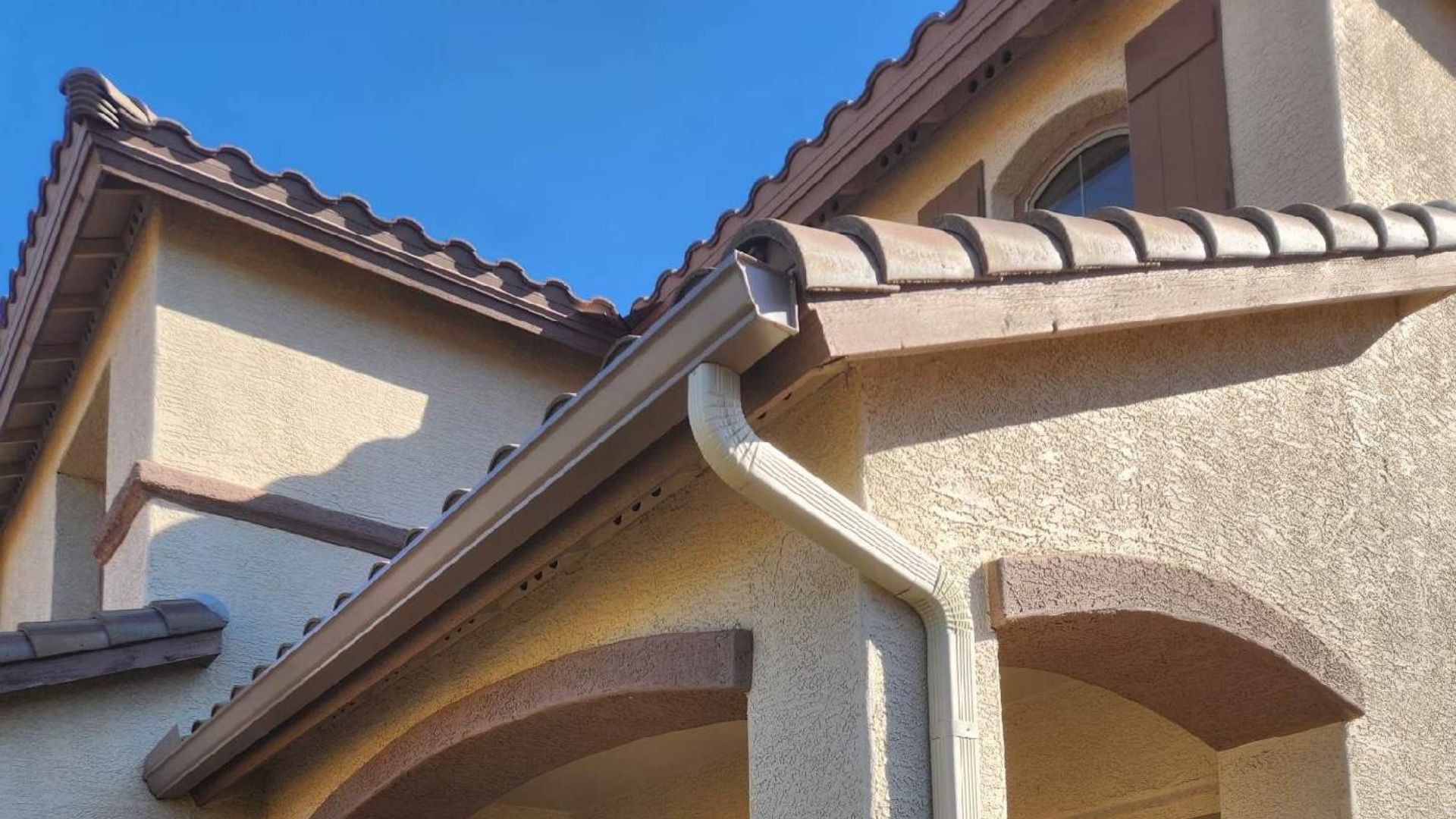
Seamless gutters are the optimal choice for Arizona homeowners seeking06 long-term protection against monsoon rains and foundation damage. Unlike sectional systems, seamless gutters are custom-fabricated on-site from a single coil of aluminum, eliminating the leak-prone seams that plague traditional gutters. For Arizona’s unique climate—characterized by intense UV exposure, sudden heavy downpours, and arid conditions—a properly installed seamless gutter system prevents soil erosion, protects stucco siding, and directs water away from the foundation.
Key Takeaways
- Seamless gutters reduce leak risks by up to 90% compared to sectional systems, according to industry data.
- Aluminum and copper are the top material choices for Arizona’s extreme heat and monsoon conditions.
- Average seamless gutter installation costs in Arizona range from $8 to $25 per linear foot in 2026.
- Proper gutter sizing—5-inch or 6-inch K-style—is critical for handling heavy rainfall volumes.
- Annual maintenance before monsoon season prevents clogs from desert debris and dust accumulation.
- Professional installation ensures correct slope and secure attachment to fascia boards.
- Gutter guards are16 a valuable add-on for reducing maintenance in Arizona’s dusty environment.
Why Seamless Gutters Are Essential for Arizona Homes
Many homeowners underestimate the destructive power of water in a desert climate. Arizona receives an average of 8 to 12 inches of rain annually, but the majority falls during intense monsoon storms between June and September. According to the National Weather Service, these storms can drop over 2 inches of rain in a single hour. Without an efficient gutter system, this water cascades off roofs, saturating the soil around foundations and causing expansive clay soils to shift—a leading cause of foundation cracks in Arizona homes. Seamless gutters provide a continuous channel that handles high water volumes without the failure points found in sectional systems.
Research from the University of Arizona Cooperative Extension highlights that proper drainage can reduce foundation movement by up to 50%. As Dr. Elena Marquez, a structural engineer specializing in desert climates, explains: “In Arizona, the combination of expansive soils and flash flooding creates a perfect storm for foundation damage. A seamless gutter system is the first line of defense, channeling water at least 5 feet away from the home’s perimeter.” This expert insight underscores why seamless gutters are not just an accessory but a critical component of home protection.
 Seamless vs. Sectional Gutters: A Detailed Comparison
The fundamental difference between seamless and sectional gutters lies in their construction. Sectional gutters come in pre-cut lengths, typically 10 to 20 feet, joined together with connectors and sealant. These joints are16 the weakest points, prone to leaking, sagging, and collecting debris over time. Seamless gutters, by contrast, are extruded on-site using a portable roll-forming machine. A technician feeds a flat coil of aluminum through the machine, which shapes it into a continuous gutter profile cut to the exact length needed for each roof edge. The only seams are at corners and downspout outlets, dramatically reducing potential leak points.
In Arizona’s climate, the advantages of seamless gutters are amplified. The intense sun degrades sealants and caulks used in sectional joints within 2 to 3 years, leading to leaks just when monsoon season arrives. Seamless gutters eliminate this vulnerability. Additionally, the custom-fit nature of seamless systems ensures a precise alignment with the roofline, which is crucial for homes with unique architectural features common in Arizona, such as curved parapets or tile roof overhangs.
| Feature | Seamless Gutters | Sectional Gutters |
|---|---|---|
| Leak Resistance | Excellent (90% fewer seams) | Moderate to Poor (joints degrade) |
| Customization | Custom-fit on-site | Standard lengths, pieced together |
| Material Options | Aluminum, copper, steel | Vinyl, aluminum, steel |
| Average Cost (per linear ft.) | $8 – $25 installed | $3 – $10 installed |
| Lifespan in Arizona | 20 – 30 years | 10 – 15 years |
| Maintenance Needs | Low (smooth interior) | Higher (debris traps at joints) |
Best Gutter Materials for Arizona’s Climate
Selecting the right material is paramount for durability in Arizona’s harsh environment. The three primary materials for seamless gutters are aluminum, copper, and galvanized steel. Each offers distinct advantages and considerations.
Aluminum Gutters
Aluminum is the most popular choice for Arizona homes, and for good reason. It is lightweight, resistant to rust, and available in a wide range of colors to match any exterior. The gauge of aluminum—typically .027 or .032—determines its strength. For Arizona, a thicker .032 gauge is recommended to withstand the weight of sudden water loads and occasional impacts from debris during windstorms. According to the Aluminum Association, aluminum gutters can last 20 to 30 years with proper maintenance. They also reflect a significant portion of solar radiation, reducing heat absorption compared to darker steel options.
Copper Gutters
Copper gutters offer a premium16 aesthetic that develops a distinctive patina over time, complementing Southwestern and Spanish-style architecture prevalent in Arizona. Copper is exceptionally durable, with a lifespan exceeding 50 years, and is naturally antimicrobial, resisting moss and fungus growth. However, the cost is significantly higher—often 2 to 3 times that of aluminum. As James R. Collins, a Phoenix-based contractor with 25 years of experience, notes: “Copper is an investment. For a high-end custom home in Scottsdale or Paradise Valley, it adds06 undeniable curb appeal and longevity. But for most homeowners, a high-quality aluminum system with a baked-on enamel finish provides the best value.”
Galvanized Steel Gutters
Steel gutters are the strongest option, capable of handling heavy snow loads—though that is rarely a concern in Arizona. Their primary drawback is susceptibility to rust if the galvanized coating is scratched or worn. In Arizona’s dry climate, this risk is somewhat mitigated, but any moisture trapped by debris can initiate corrosion. Steel is less common for residential applications in the state but may be specified for commercial or industrial buildings.
Seamless Gutter Styles and Sizing for Arizona Roofs
Gutter profile and size are not one-size-fits-all decisions. The two primary styles are K-style and half-round. K-style gutters, with their flat backs and decorative front shape resembling crown molding, are the standard for modern homes. They hold more water per linear foot than half-round gutters of the same width, making them ideal for Arizona’s high-intensity rainfall. Half-round gutters, with their semicircular trough, are often found on historic or Mediterranean-style homes and offer easier cleaning but lower capacity.
Sizing is critical. The most common residential sizes are 5-inch and 6-inch K-style gutters. A 5-inch gutter can handle approximately 1.2 gallons of water per linear foot, sufficient for most roof areas up to 2,500 square feet in moderate rainfall. However, the National Roofing Contractors Association recommends 6-inch gutters for roofs with steep pitches or large surface areas, which are common in Arizona to promote cooling airflow. Given the intensity of monsoon downpours, many Arizona installers now default to 6-inch seamless gutters to prevent overflow. Downspout sizing and placement are equally important; a general rule is one downspout for every 30 to 40 linear feet of gutter.
Cost of Seamless Gutters in Arizona (2026)
Understanding the investment required helps homeowners budget effectively. In 2026, the cost of seamless gutter installation in Arizona varies based on material, home size, and complexity. The following table provides average price ranges.
| Material | Average Cost per Linear Foot (Installed) | Typical Total Cost for 200 Linear Feet |
|---|---|---|
| Aluminum (.027 gauge) | $8 – $12 | $1,600 – $2,400 |
| Aluminum (.032 gauge) | $10 – $15 | $2,000 – $3,000 |
| Copper | $18 – $25 | $3,600 – $5,000 |
| Galvanized Steel | $12 – $18 | $2,400 – $3,600 |
These figures include materials, labor, and basic disposal of old gutters. Additional costs may arise for complex roof lines, multi-story homes requiring extra safety equipment, or the integration of gutter guards. According to data from HomeAdvisor, the national average for seamless gutter installation is around $1,900, but Arizona’s market tends to be slightly higher due to demand for UV-resistant finishes and specialized installation techniques for tile roofs.
How to Choose a Seamless Gutter Installer in Arizona
Selecting a qualified contractor is as important as choosing the right product. The Arizona Registrar of Contractors licenses all residential contractors; always verify a license number before hiring. Here is a step-by-step process for vetting an installer:
- Verify Licensing and Insurance: Check the contractor’s license status on the Arizona Registrar of Contractors website. Ensure they carry general liability and workers’ compensation insurance.
- Review Experience with Arizona Homes: Ask specifically about experience with stucco exteriors, tile roofs, and monsoon-season installation challenges. A contractor familiar with local building codes and HOA requirements is invaluable.
- Request a Detailed Written Estimate: The estimate should specify material gauge, profile style, total linear feet, downspout locations, and warranty terms. Avoid vague quotes.
- Check References and Portfolios: Request photos of completed projects and contact information for recent clients. Drive by a completed installation if possible to inspect workmanship.
- Understand the Warranty: A reputable installer offers a workmanship warranty of at least 5 years, in addition to the manufacturer’s material warranty (often 20 years or more for aluminum).
As Maria Gonzalez, a home inspector with over 15 years of experience in the Phoenix metro area, advises: “I’ve seen16 too many failed gutter installations because the homeowner chose the lowest bid. Seamless gutters are a system—the hangers, the slope, the downspout placement all matter. A quality installation will last decades; a poor one will fail in the first big storm.”
 Gutter Guards: A Smart Addition for Arizona
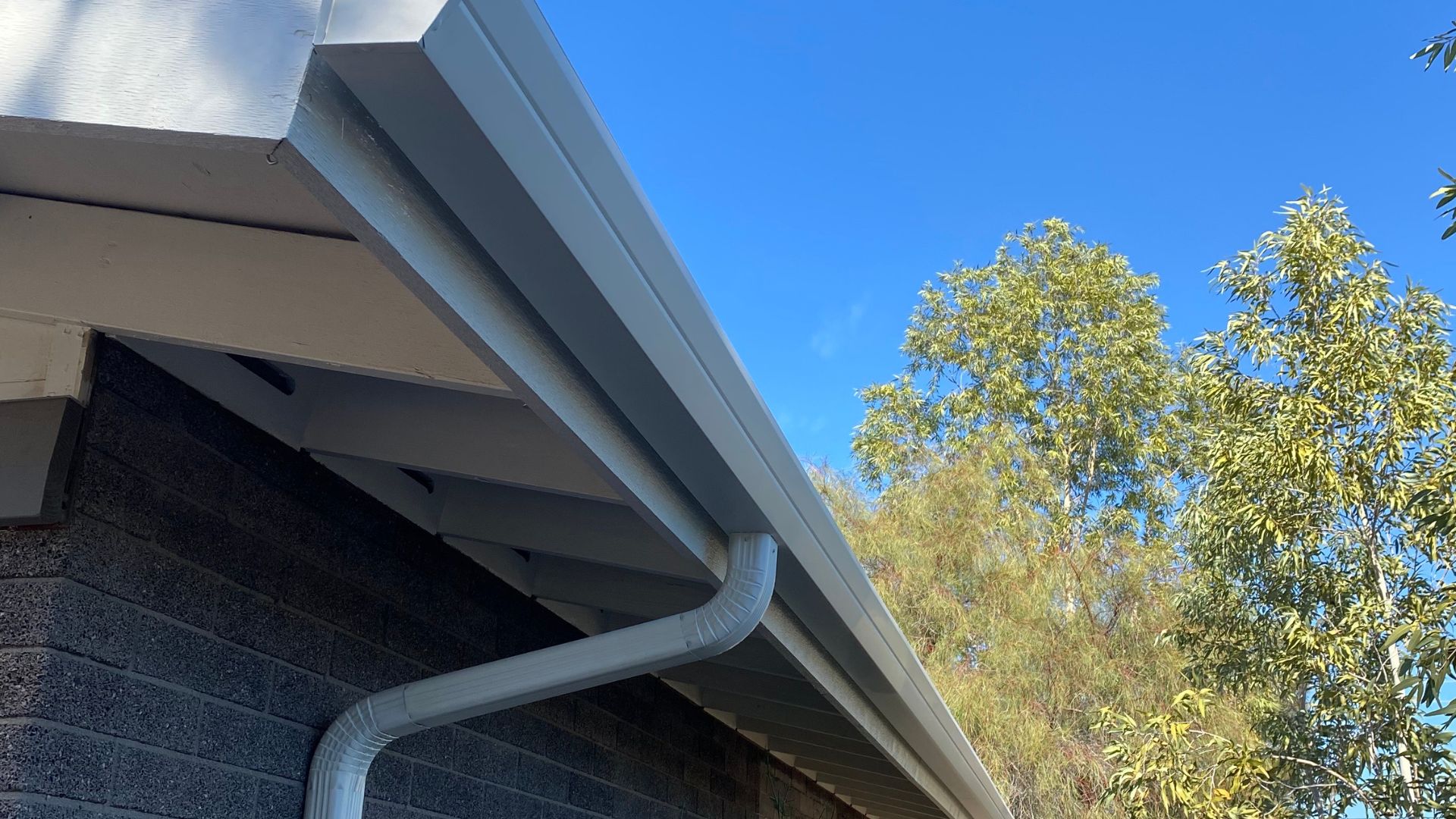
Gutter guards, or leaf protection systems, are highly recommended for Arizona homes. While the state lacks the heavy leaf fall of deciduous forests, it has its own debris challenges: dust, gravel from roofing tiles, bird nests, and wind-blown mesquite and palo verde debris. These materials accumulate and harden in the dry heat, creating blockages that cause overflow during the first monsoon rain. Gutter guards act as a filter, allowing water to enter while keeping debris out.
Several types of gutter guards are available, including micro-mesh screens, reverse-curve surface-tension systems, and foam inserts. Micro-mesh systems are particularly effective in Arizona because they block fine dust and grit while handling high water flow. According to a study by Consumer Reports, professionally installed micro-mesh guards can reduce gutter cleaning frequency by up to 80%. The additional cost, typically $3 to $7 per linear foot installed, is often recouped through reduced maintenance expenses and extended gutter lifespan.
Monsoon Season Preparation and Maintenance
Even the best seamless gutter system requires regular maintenance to perform optimally. In Arizona, the maintenance calendar revolves around the monsoon season. A proactive approach prevents emergency calls during July and August storms.
- Pre-Monsoon Inspection (May/June): Clean gutters and downspouts thoroughly. Check for any cracks, sagging sections, or loose fasteners. Ensure downspouts extend at least 5 feet from the foundation.
- Post-Monsoon Inspection (September/October): Inspect for damage from wind-blown debris or heavy water weight. Clear any accumulated sediment.
- Annual Sealant Check: While seamless gutters have few joints, the corners and downspout connections use sealant. Inspect these annually and reapply as needed.
- Trim Overhanging Branches: Keep tree limbs away from the roofline to reduce debris and prevent damage during high winds.
Neglecting maintenance can void manufacturer warranties. A small investment in annual upkeep prevents costly repairs to fascia boards, soffits, and foundations. The Arizona Department of Water Resources emphasizes that proper rainwater management not only protects individual homes but also contributes to community flood control by reducing uncontrolled runoff.
Common Mistakes to Avoid with Arizona Gutter Installation
Homeowners often make avoidable errors when planning a gutter project. Awareness of these pitfalls ensures a successful outcome.
- Incorrect Sizing: Installing 5-inch gutters on a large roof area with a steep pitch. Always calculate roof catchment area and rainfall intensity.
- Improper Slope: Gutters must slope toward downspouts at a rate of 1/4 inch per 10 feet. Too little slope causes standing water; too much reduces capacity.
- Insufficient Downspouts: Skimping on downspouts to save money leads to overflow and erosion. Follow the 30-40 foot rule.
- Ignoring HOA Guidelines: Many Arizona communities have strict rules about gutter color and style. Obtain approval before installation.
- DIY Installation of Seamless Gutters: Seamless gutters require specialized machinery and expertise. Attempting a DIY sectional installation often results in leaks and poor aesthetics.
Environmental and Water Harvesting Considerations
An emerging trend in Arizona is integrating seamless gutters with rainwater harvesting systems. With increasing awareness of water conservation, many homeowners are directing gutter downspouts into cisterns or rain barrels for landscape irrigation. The University of Arizona’s Water Resources Research Center reports that a 1,000-square-foot roof can collect approximately 600 gallons of water from just 1 inch of rain. Seamless gutters, with their smooth interior walls, are ideal for this purpose as they minimize water loss and contamination from joint sealants. When planning a system for water harvesting, ensure all materials are potable-water safe if intended for vegetable gardens, and install first-flush diverters to keep debris out of storage tanks.
Frequently Asked Questions
How long do seamless gutters last in Arizona?
With proper maintenance, aluminum seamless gutters last 20 to 30 years in Arizona’s climate. Copper systems can exceed 50 years. The primary factors affecting longevity are material gauge, quality of installation, and adherence to annual cleaning schedules, particularly before monsoon season.
Are seamless gutters worth the extra cost?
Yes, for most Arizona homeowners, the investment is justified. The 90% reduction in leak points, custom fit, and longer lifespan compared to sectional gutters result in lower lifetime costs and superior protection against foundation and landscape damage.
What color gutters are best for Arizona homes?
Lighter colors such as white, beige, or tan are popular because they reflect sunlight and reduce thermal expansion. However, the best color matches the home’s trim or fascia for a cohesive look. Many manufacturers offer baked-on enamel finishes in dozens of colors that resist fading from UV exposure.
Can seamless gutters be installed on tile roofs?
Yes, experienced Arizona installers are adept at working with tile roofs. Specialized hangers and techniques are used to avoid damaging the tiles. It is critical to hire a contractor with specific tile roof experience to prevent cracked or broken tiles during installation.
How often should I clean my gutters in Arizona?
At a minimum, gutters should be cleaned twice per year: once in late spring before the monsoon season and once in late fall. Homes surrounded by desert trees or with flat roof sections may require quarterly cleaning to remove accumulated dust and debris.
Do I need a permit to install gutters in Arizona?
Generally, a building permit is not required for gutter replacement or installation on existing single-family homes. However, some municipalities or HOAs may have specific requirements. Always check with your local planning department and HOA before starting work.
What is the best gutter size for monsoon rains?
6-inch K-style seamless gutters are strongly recommended for most Arizona homes. They provide approximately 50% more capacity than 5-inch gutters, which is critical for handling the intense, short-duration rainfall typical of monsoon storms.
Conclusion
Investing in seamless gutters for your Arizona home is a decision that pays dividends in structural protection, aesthetic appeal, and peace of mind. The unique demands of the desert climate—from scorching UV rays to torrential monsoon floods—require a gutter system engineered for resilience. By choosing the right material, ensuring professional installation, and committing to seasonal maintenance, you safeguard your home’s foundation, prevent costly water damage, and enhance its overall value. Don’t wait for the next storm to reveal weaknesses in your current system. Contact us today for a personalized assessment and free estimate from Arizona’s trusted seamless gutter experts.
References
- National Weather Service – Monsoon rainfall data and intensity statistics.
- University of Arizona Cooperative Extension – Research on soil expansion and foundation drainage.
- The Aluminum Association – Material properties and lifespan data for aluminum building products.
- National Roofing Contractors Association – Gutter sizing and installation best practices.
- HomeAdvisor – National and regional cost data for gutter installation.
- Arizona Registrar of Contractors – Licensing requirements for residential contractors.
- Consumer Reports – Gutter guard effectiveness studies and ratings.
- University of Arizona Water Resources Research Center – Rainwater harvesting potential and guidelines.